You go to bed on time. You get 7–8 hours of sleep. And yet… you wake up groggy, heavy, and foggy. Coffee barely helps. Your morning feels like a slog.
The truth? It's not about how long you sleep — it's about whether your sleep is actually restorative. Modern stress, screens, and busy schedules can keep your body from fully recovering, leaving you exhausted even after a full night in bed.
Here's what people in 2026 are doing to finally wake up refreshed.
Poor Sleep vs. Restorative Sleep
| Factor | Poor Sleep | Restorative Sleep |
|---|---|---|
| Morning feeling | Groggy, heavy, foggy | Clear-headed, energized |
| Deep sleep stages | Fragmented or skipped | Full cycles completed |
| Stress hormones | Elevated overnight | Regulated and balanced |
| Blood sugar | Unstable — causes wake-ups | Stable throughout the night |
| Muscle & tissue repair | Incomplete | Fully restored |
| Circadian rhythm | Disrupted by light & screens | Anchored by light cues |
| Sleep environment | Too warm, bright, or noisy | Cool, dark, and quiet |
| Nutrient support | Deficient in Mg, L-Theanine | Nervous system fully supported |
1. Support Deep Sleep With Targeted Nutrients
Not all sleep is created equal. Deep sleep — also called slow-wave sleep — is where your body does its most critical repair work: rebuilding muscle tissue, consolidating memories, and rebalancing hormones like cortisol and growth hormone. Without enough of it, you can spend 8 hours in bed and still feel like you barely slept.
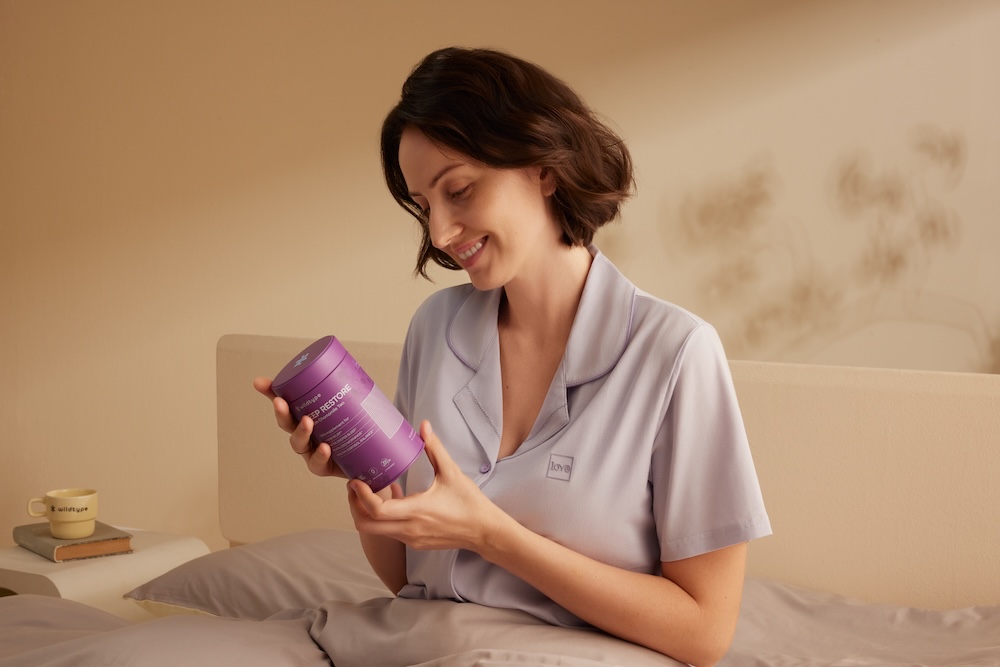
Chronic stress, late nights, and nutrient gaps (especially magnesium and L-Theanine deficiencies) can prevent your nervous system from fully downshifting into these deeper stages. Many people now turn to targeted nutrient support to bridge that gap. Wildtype's Deep Restore is designed to do exactly that — a blend of magnesium glycinate, L-Theanine, and Ashwagandha that works overnight so you wake up clear-headed and energized rather than groggy.
Try this: Take a magnesium glycinate supplement or a calming herbal drink 30–60 minutes before bed. Avoid melatonin as a first resort — it only helps with sleep timing, not sleep depth.
2. Reduce Evening Stimulation
Your nervous system has two modes: sympathetic ("fight or flight") and parasympathetic ("rest and digest"). Deep, restorative sleep only happens when you're firmly in parasympathetic mode. The problem is that scrolling social media, answering work emails, or watching intense TV keeps your brain in a low-grade alert state — even after you close your eyes.
Blue light from screens suppresses melatonin production by up to 50%, pushing back your natural sleep window. But it's not just the light — the mental stimulation of notifications, news, and social comparison keeps cortisol elevated when it should be falling.
Try this: Set a "screens off" rule 45–60 minutes before bed. Replace it with dimmed lights, light stretching, journaling, or reading a physical book. Even a 20-minute wind-down routine can meaningfully improve how quickly you reach deep sleep.

3. Prevent Overnight Blood Sugar Dips
Your body doesn't stop working when you sleep. Your brain still needs a steady supply of glucose, and if blood sugar drops too low in the middle of the night, your adrenal glands release cortisol and adrenaline to compensate. These stress hormones pull you out of deep sleep — often without you fully waking up. You just feel inexplicably tired in the morning.
This is more common than most people realize, especially if you eat dinner early, skip carbs entirely, or have a sweet snack right before bed (which causes a spike followed by a crash).
Try this: Eat a balanced dinner with protein, complex carbs, and healthy fats. If you eat dinner before 6pm, a small pre-bed snack like a handful of nuts or a piece of whole-grain toast can stabilize overnight glucose. Avoid alcohol — it fragments sleep architecture even when it makes you feel drowsy.

4. Anchor Your Circadian Rhythm
Your circadian rhythm is a 24-hour internal clock that governs when your body releases melatonin, when your core temperature drops, and when you naturally feel sleepy. It's primarily set by light — specifically, the intensity and timing of light hitting your eyes throughout the day.
Most people spend 90%+ of their waking hours indoors under dim artificial light, which gives the brain a weak, ambiguous signal. The result: your body isn't sure when "day" ends and "night" begins, so melatonin release is delayed and deep sleep stages are pushed later into the night — or cut short by your alarm.
Try this: Get 10–20 minutes of outdoor light within an hour of waking up. This single habit is one of the most evidence-backed ways to improve sleep quality. In winter or cloudy climates, a 10,000-lux light therapy lamp used in the morning works as a substitute. Equally important: dim your indoor lights after sunset and avoid bright overhead lighting in the evening.

5. Optimize Your Sleep Environment
Your bedroom environment directly affects how deeply you sleep. Three factors matter most: temperature, light, and noise.
Temperature: Your core body temperature needs to drop 1–2°F to initiate deep sleep. A room that's too warm (above 68°F / 20°C) makes this harder. Most sleep researchers recommend keeping your bedroom between 65–68°F (18–20°C). A cool shower before bed can also accelerate this temperature drop.
Light: Even small amounts of light — a charging LED, streetlight through curtains, a TV standby light — can suppress melatonin and reduce deep sleep duration. Blackout curtains or a sleep mask make a measurable difference.
Noise: Intermittent noise (traffic, a partner snoring, notifications) is more disruptive than consistent background noise. White noise or a fan can mask these spikes and help you stay in deeper sleep stages longer.
Try this: Do a quick "sleep audit" of your bedroom tonight. Lower the thermostat, cover or remove light sources, and try a white noise app for one week. Most people notice a difference within a few nights.
6. Manage Stress Before It Manages Your Sleep
Stress is one of the most underrated sleep disruptors. When your brain perceives a threat — even a low-grade one like a looming deadline or an unresolved argument — it activates the HPA (hypothalamic-pituitary-adrenal) axis, triggering a cascade of cortisol release. Cortisol is your primary wakefulness hormone. Elevated cortisol at night directly suppresses the slow-wave sleep stages where physical recovery happens.
The problem is that most people try to "push through" stress rather than actively downregulating their nervous system before bed. Lying in bed with a racing mind isn't rest — it's just horizontal anxiety.
Try this: A 4-7-8 breathing pattern (inhale 4 seconds, hold 7, exhale 8) activates the parasympathetic nervous system within minutes. Alternatively, a 10-minute body scan meditation or progressive muscle relaxation before bed can measurably lower cortisol. If your mind races with to-do lists, write them down before you get into bed — externalizing the list reduces the mental load your brain feels it needs to hold onto.
7. Time Your Caffeine Correctly
Caffeine works by blocking adenosine receptors in your brain. Adenosine is the chemical that builds up throughout the day and creates sleep pressure — the feeling of tiredness that makes you want to sleep. When caffeine blocks those receptors, the adenosine keeps accumulating in the background. Once the caffeine wears off, all that built-up adenosine floods in at once, which is why the afternoon crash can feel so sudden.
The issue for sleep quality is caffeine's half-life: roughly 5–7 hours. A 3pm coffee means half of it is still active at 8–10pm, suppressing adenosine signaling and delaying your ability to fall into deep sleep — even if you feel like you can fall asleep fine.
Try this: Set a caffeine cutoff at 1–2pm. If you need an afternoon energy boost, try a 20-minute nap before 3pm (a "nap-a-ccino" — coffee right before the nap, so the caffeine kicks in as you wake up). Also delay your first coffee 90–120 minutes after waking — this lets adenosine clear naturally and prevents the mid-morning crash that drives a second cup.
Common Sleep Myths — Debunked
A lot of popular sleep advice is either oversimplified or flat-out wrong. Here are three myths worth clearing up:
Sleeping in on Saturday can partially repay acute sleep debt, but it doesn't restore the cognitive performance lost during the week, and it shifts your circadian rhythm later — making Monday morning harder. Consistency matters more than weekend recovery.
Alcohol is a sedative, not a sleep aid. It helps you fall asleep faster but fragments the second half of the night — suppressing REM sleep and causing more wake-ups after 3–4am. The net effect is less restorative sleep, not more.
Sleep need is individual and genetic. Some people function optimally on 6.5 hours; others need 9. The better metric is how you feel 30 minutes after waking — without an alarm, without caffeine. If you feel rested, your duration is right. If not, quality (not just quantity) is the variable to fix.
Your Restorative Sleep Checklist
Getting 7–8 hours in bed isn't enough if your sleep isn't restorative. Here's a quick reference for what to act on tonight:
- Nutrient support: Take magnesium glycinate or a calming herbal blend 30–60 min before bed
- Wind-down: Screens off 45–60 minutes before sleep — replace with dim light and calm activity
- Dinner: Balanced meal with protein, complex carbs, and healthy fats; avoid alcohol and late sugar spikes
- Morning light: 10–20 minutes of outdoor light within an hour of waking up
- Environment: Room at 65–68°F, blackout curtains or sleep mask, white noise if needed
- Stress: 4-7-8 breathing or body scan before bed; write down tomorrow's to-do list before lying down
- Caffeine: Last cup by 1–2pm; delay first coffee 90 minutes after waking
Stack these habits together and the difference in how you feel each morning is noticeable within a week.
Medical Disclaimer: This content is for informational purposes only and does not constitute medical advice. If you experience persistent sleep difficulties, excessive daytime fatigue, or suspect a sleep disorder such as sleep apnea, consult a qualified healthcare professional.